2025
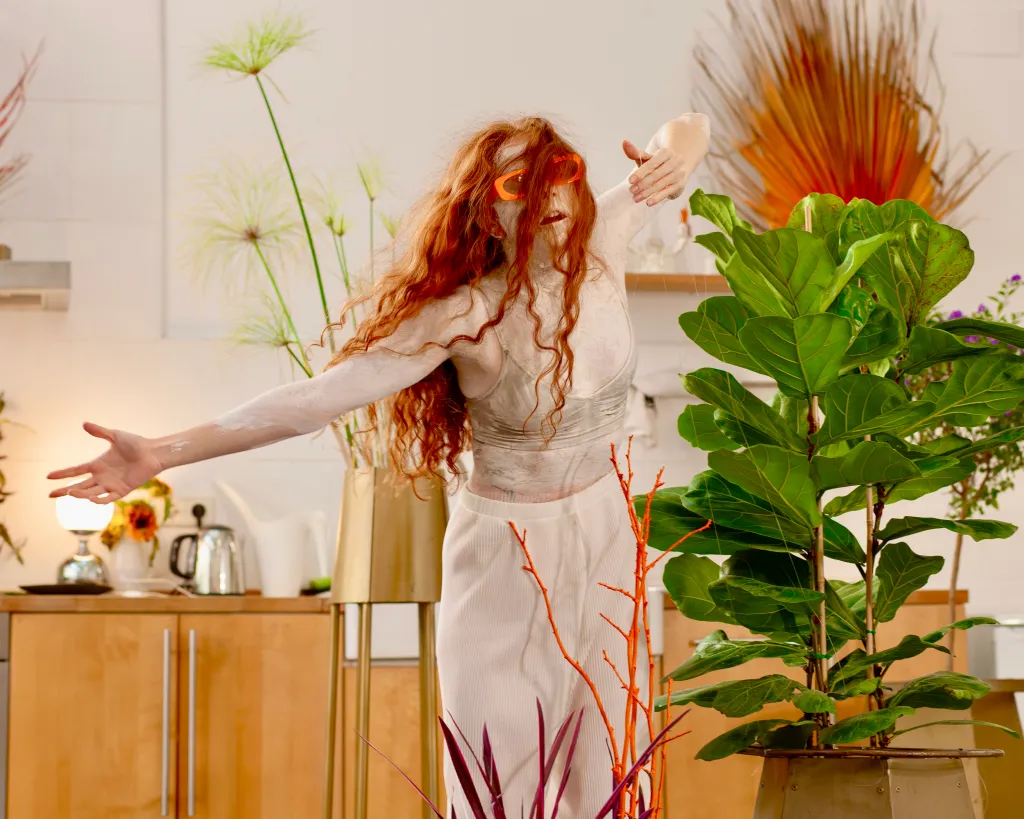
LOS VIKINGOS
2025 WINNERS
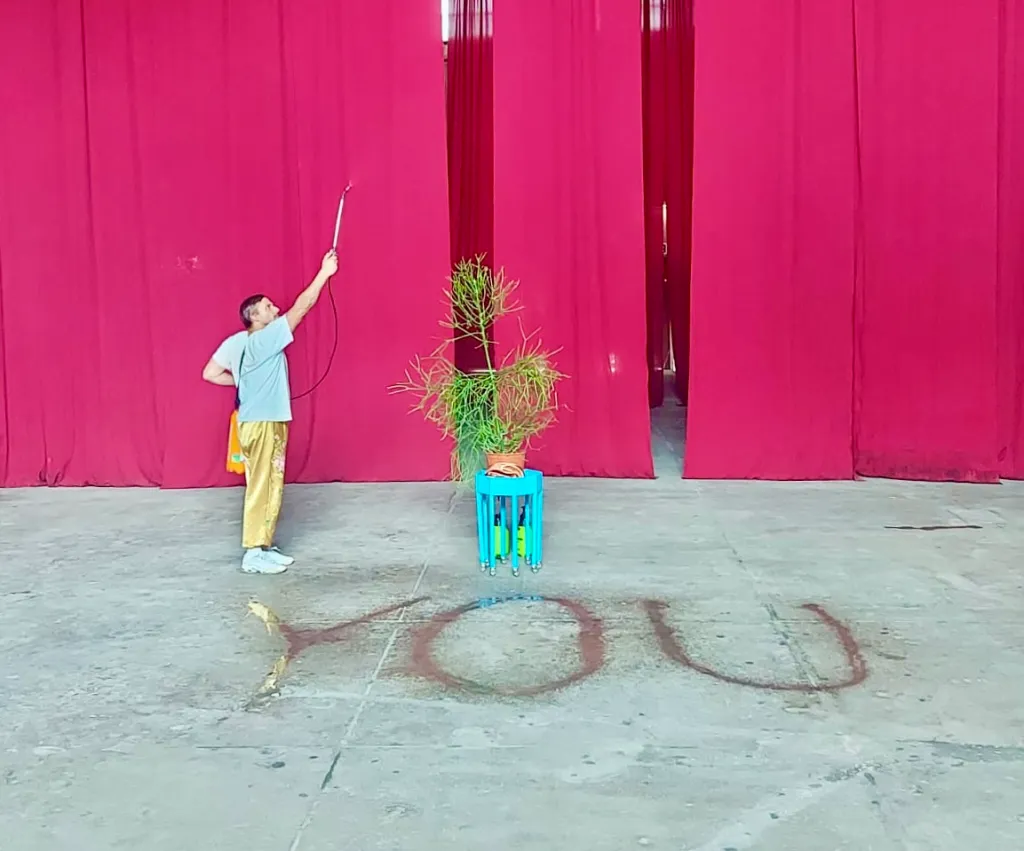
DIOC & EUPHORBIA TIRUNCALII
2ND PRIZE WINNERS
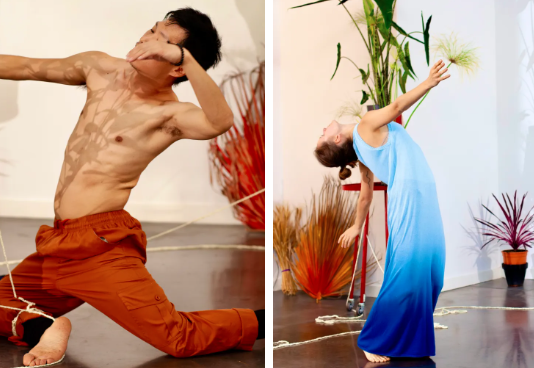
SIMONE CEDAR & KOHEI NAKATSU
3RD PRIZE WINNER
FINALISTS
JURY
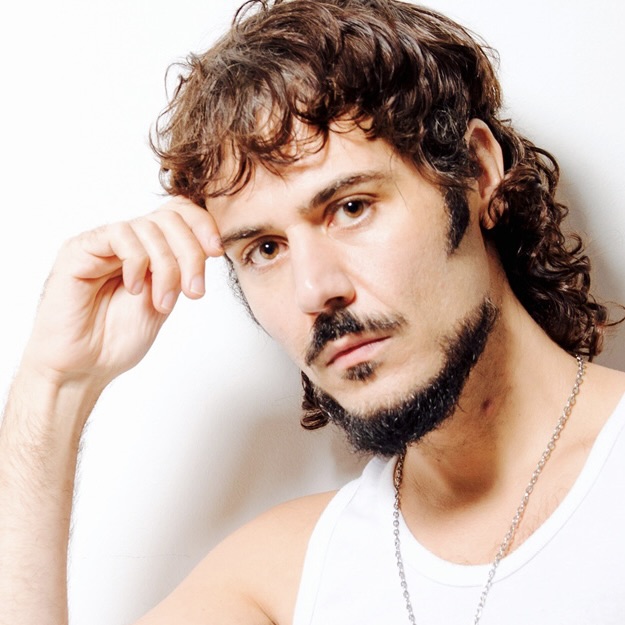

2ND PRIZE WINNERS
3RD PRIZE WINNER
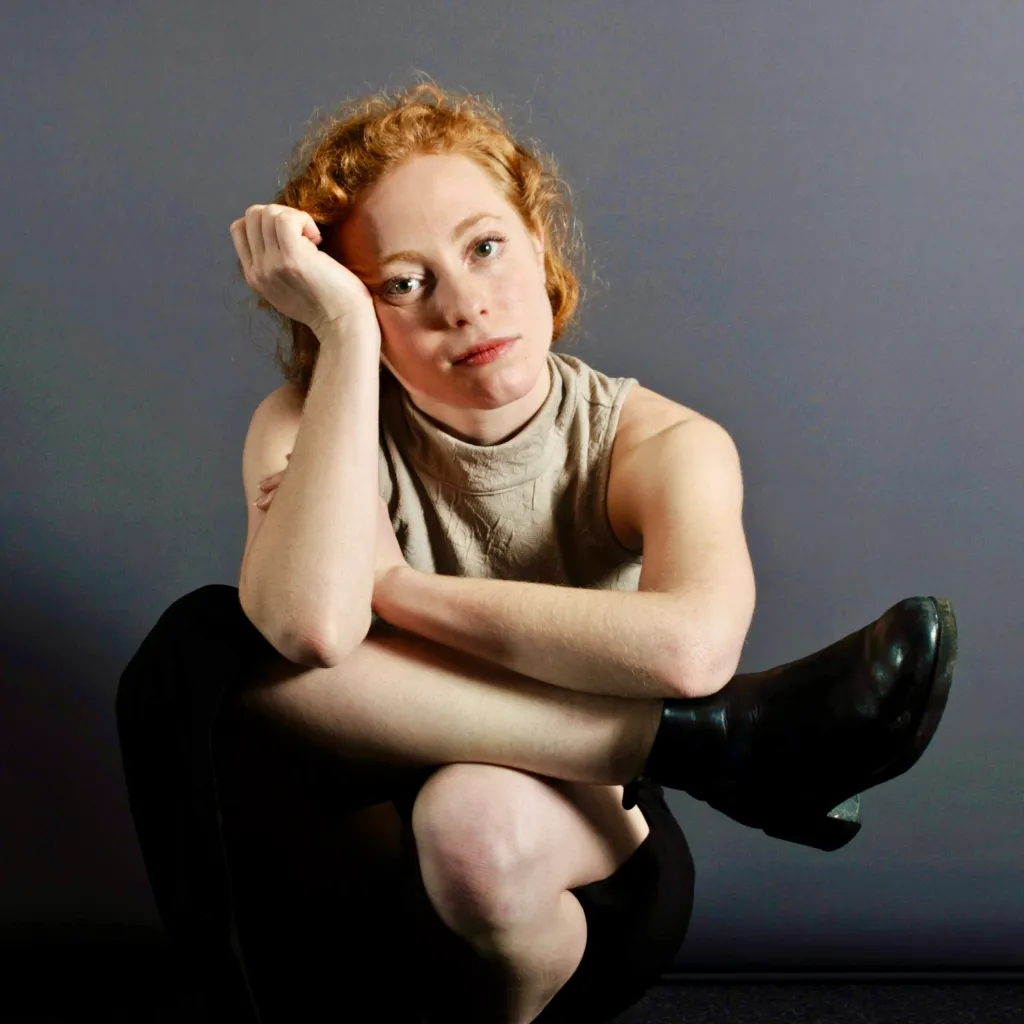
Paco Bezerra is a Spanish playwright, with a degree in Playwriting and Theatre Sciences from the RESAD in 2004. He also holds a qualification in Technique and Interpretation from the William Layton Theatre Laboratory (2000). In 2003, he published the play Ventaquemada, which was performed as a staged reading in Milan in October 2008.
He won the Barahona de Soto Award for the best work by an Andalusian author in 2004 for Viaje a Tindspunkt (Journey to Tindspunkt); the Calderón de la Barca Award in 2007, granted by the Spanish Ministry of Culture, for emerging theatrical authors, for Dentro de la tierra (Inside the Earth), with which he won the National Literature Award in the Dramatic Literature category in 2009. In 2022, he was awarded the XXX SGAE Jardiel Poncela Theatre Award for his play Muero porque no muero, la vida doble de Teresa (I Die Because I Do Not Die, The Double Life of Teresa), a work that was censored by Mariano de Paco and Blanca Li.
Paco also develops his career as an actor, and in theatre, he has worked for directors such as Francisco Vidal, Paca Ojea, Carlos Alonso, and Nacho Sevilla, among others; and in cinema for the Rico Brothers and for José Miguel Ganga. He currently works as a musical lyricist for La Prohibida, a Spanish avant-garde electropop music singer.
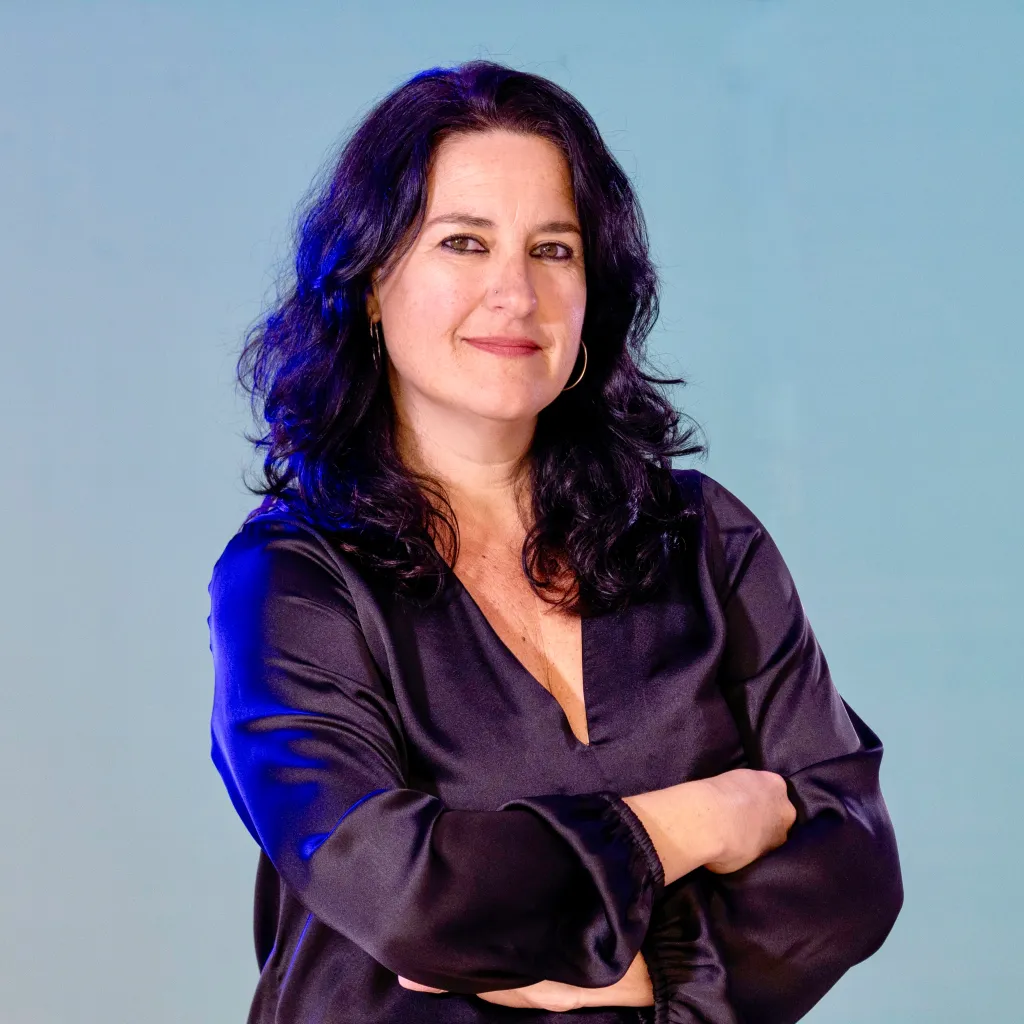
Alicia Narejos is a dancer and choreographer specializing in contemporary dance, with a degree from the CSDMA, and a recipient of awards such as “Tiempo de Danza” and “Creajoven,” and creation and research grants at the Residencia de Estudiantes and Teatros del Canal. She has worked with renowned choreographers, such as Antonio Ruz and Muriel Romero, for 10 years respectively, participating in national and international tours, as well as video dances and medium-length films. Her time at GOOD-OtraDanza is also noteworthy. Her contact with new technologies and historical dances (with the Espai Barroc company) broadens her artistic vision.
As a creator, her versatility has led her to collaborate with visual artists such as Eva Lootz and Elo Vega, as well as musicians from the OCNE, Neopercusión, and CoroDelantal, among others, appearing in exhibitions, congresses, and institutional events of the CSIC, the Spanish Academy in Rome, the UIMP, and the UMA. She created the round tables “Encounters around the creative act” at the Residencia de Estudiantes, and her commitment to the transmission of knowledge has led her to teach classes and workshops in various schools and institutions such as the CPD Fortea and CSMA, also working with diverse groups, from children at risk of social exclusion to people with Down syndrome and Asperger’s. Her first article was presented and published in the “III CanArts Encounter” of researchers in line with the interests that characterize her: social and feminist criticism, poetics, analysis, space intervention, interdisciplinarity, and research through art. She currently leads her own company, cía. Alicia Narejos, with which she will premiere “MAL” at the Teatro Circo de Murcia in 2026.
Marisa Escalante Miragaya is a sociologist, cultural manager, and deputy in the Madrid Assembly for the Más Madrid parliamentary group. With a long career in stage programming, artistic production, and cultural and educational project management at the local level, she was the Councillor for Culture in Talamanca de Jarama and is currently the Culture spokesperson for Más Madrid. A Madrileña, feminist, and deeply committed to cultural and animal rights, she advocates for a culture that speaks to people’s lives: vibrant, diverse, and creative, like the one promoted by the Bionic Festival.
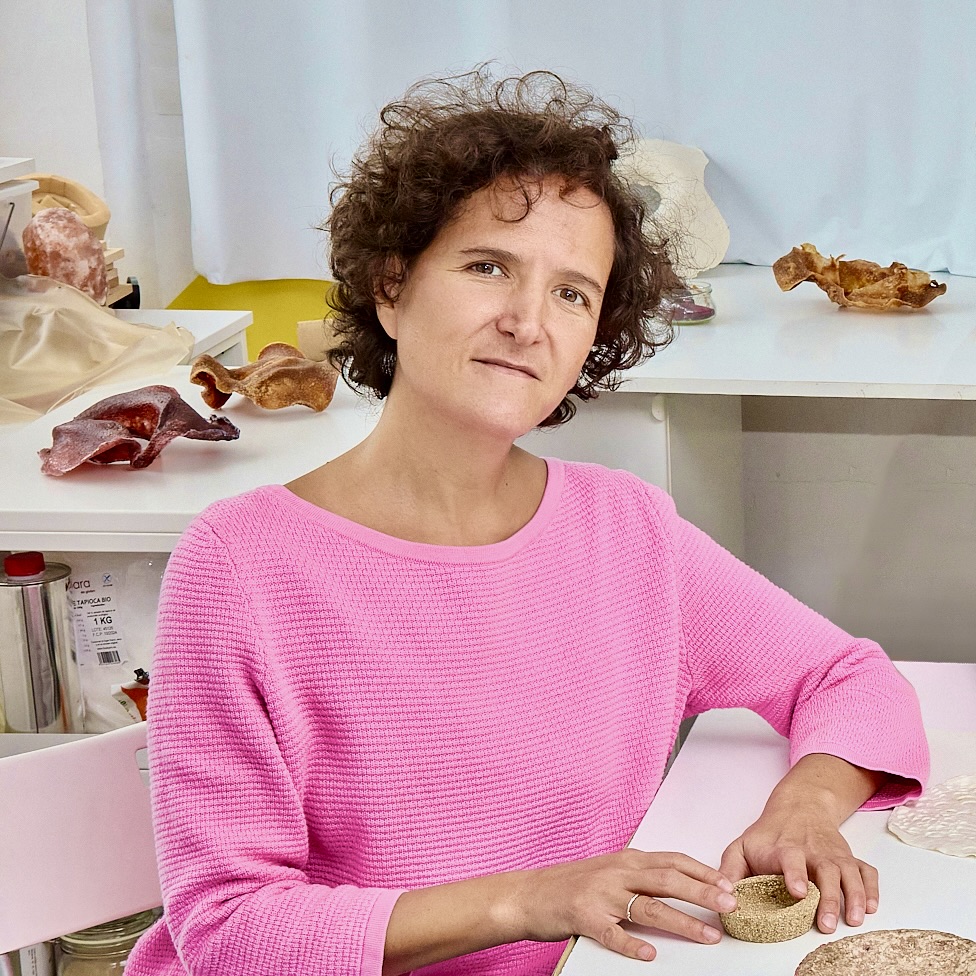
She is a Doctor of Architecture and a Senior Technician in Applied Arts to Sculpture. She has been a professor at the ETSAM since 2015 and is the co-founder of Mad Materials (a biocreation center in Madrid). She has taught and led workshops in multiple universities and institutions. Her work, which is part of the permanent collection of the Frac Centre, focuses on research into natural geometries and biomaterials through experimentation with artisanal and digital techniques. She blurs disciplinary boundaries, moving between architecture, design, and art. Her projects have been exhibited at the Biennale de Vierzon, Museo Nacional de Artes Decorativas, Biennale de Rabat, Central de Diseño de Madrid, Biennale d´Architecture d´Orléans, Sala de Arte Joven de la Comunidad de Madrid, MediaLab Prado, Matadero Madrid, COAM, etc.
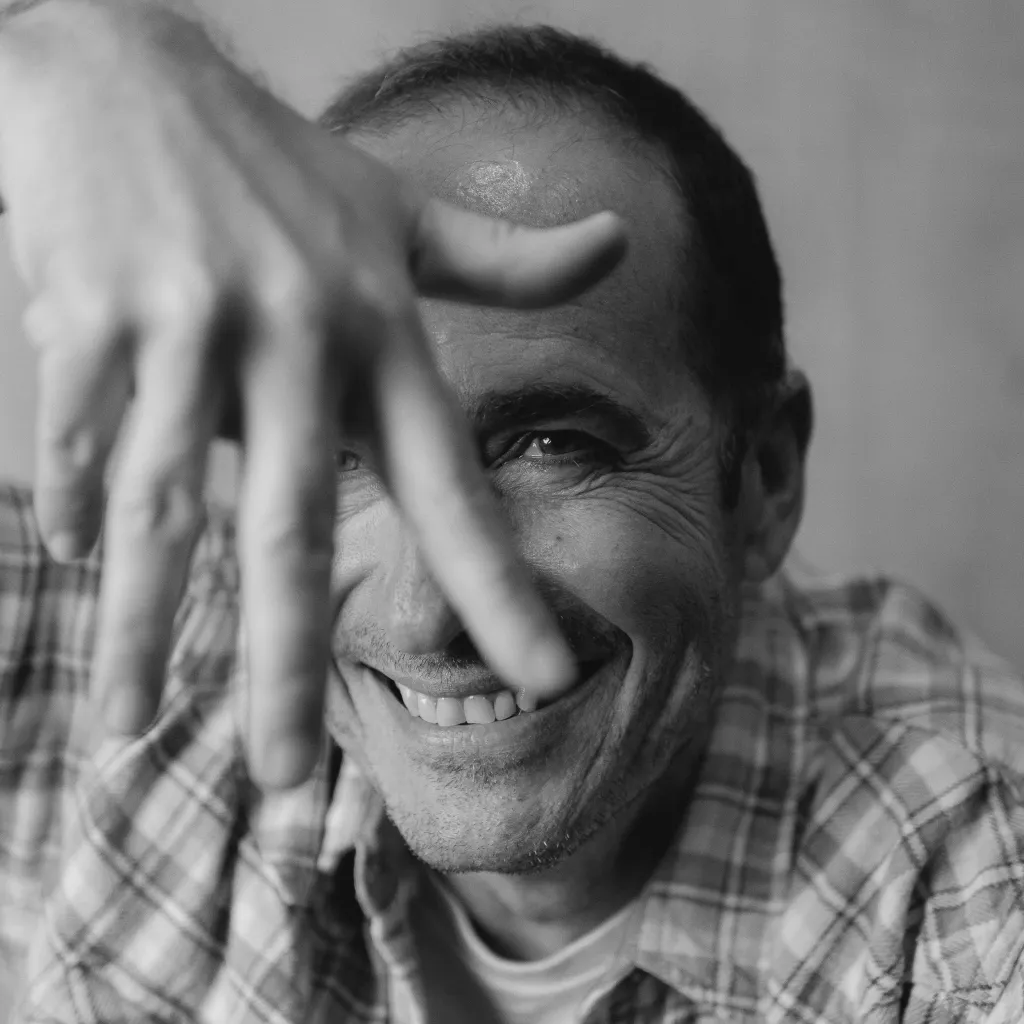
Paco Calvo es Catedrático de Lógica y Filosofía de la Ciencia e Investigador Principal del Minimal Intelligence Laboratory (MINTLab) de la Universidad de Murcia. Especializado en filosofía de la ciencia cognitiva gracias a una beca Fulbright en la Universidad de California, San Diego, obtuvo el doctorado por la Universidad de Glasgow. Su investigación se centra en la inteligencia vegetal, la psicología ecológica y la ciencia cognitiva encarnada, combinando trabajo teórico y experimental para estudiar las bases ecológicas del comportamiento adaptativo de las plantas. Para ello, su laboratorio emplea técnicas como la fotografía time-lapse para investigar las capacidades de navegación de tallos y raíces.
Ha publicado en revistas como Annals of Botany, Biology & Philosophy, The British Journal for the Philosophy of Science, Cognitive Science, Journal of the Royal Society, Plant, Cell & Environment, Plant Signaling & Behavior y Trends in Plant Science, entre otras. Es coeditor de The Handbook of Cognitive Science: An Embodied Approach (Elsevier, 2008), The Routledge Companion to Philosophy of Psychology (Routledge, 2009) y The Architecture of Cognition (MIT Press, 2014). Su investigación ha recibido apoyo de instituciones como la V. Kann Rasmussen Foundation, el Office of Naval Research de Estados Unidos, el British Council, The Darwin Trust of Edinburgh, Fundación Séneca y el Ministerio de Educación, Cultura y Deporte de España. Durante una estancia sabática en la Universidad de Edimburgo comenzó a trabajar en su libro de divulgación Planta Sapiens (Seix Barral, 2023), escrito junto a Natalie Lawrence.